Florida Cold Weather Pet Safety Tips
South Florida may be known for sunshine and warm temperatures, but when a cold snap hits, it can catch both people and pets off guard. This week’s unusually chilly weather serves as an important reminder that even in Florida, cold temperatures can pose real risks to animals. At the Animal Emergency and Urgent Care Center (AEUCC), we want pet owners to be prepared and informed so they can keep their furry family members safe, healthy, and comfortable during this cold spell.
Why Cold Weather Can Be Dangerous for Pets in Florida
Pets in South Florida are not acclimated to prolonged cold temperatures. Dogs and cats that spend most of the year in warm or hot conditions may struggle to regulate their body temperature when the mercury drops. Smaller breeds, senior pets, puppies, kittens, and animals with short coats are especially vulnerable to hypothermia and cold-related illnesses. Even pets with thicker fur can be affected if they are exposed to cold air, wind, or damp conditions for extended periods.
Cold weather can also worsen existing medical conditions such as arthritis, heart disease, and respiratory issues. For some pets, a Florida cold snap can be more than uncomfortable—it can become a medical emergency.
Keep Pets Indoors Whenever Possible
The safest place for your pet during cold weather is inside your home. If your dog or cat typically spends time outdoors, now is the time to bring them inside, especially overnight. Temperatures can drop quickly after sunset, and pets left outside may not have adequate shelter or warmth.
If your pet must go outside for bathroom breaks or short periods, limit the time spent outdoors and supervise them closely. Watch for signs of discomfort such as shivering, whining, lifting paws off the ground, or reluctance to move.
Provide Extra Warmth and Comfort
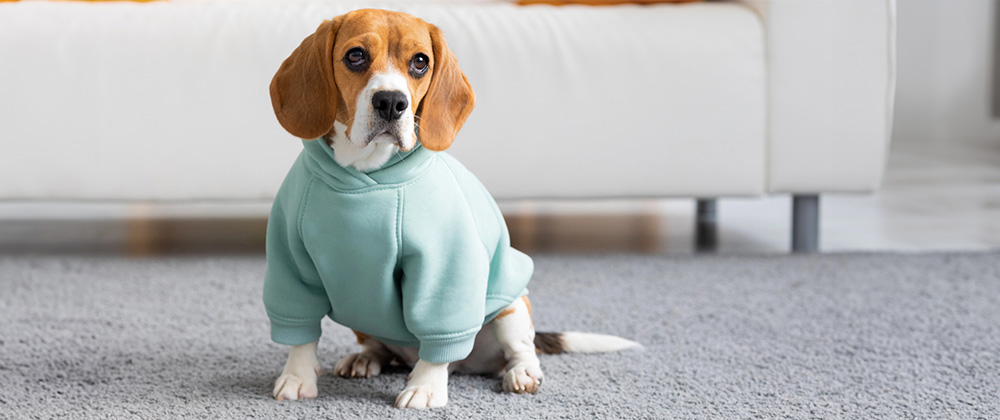
Inside the home, make sure your pet has a warm, draft-free place to rest. Provide extra blankets or bedding, and keep beds off cold tile or concrete floors if possible. For pets that tolerate clothing, a well-fitting sweater or jacket can help maintain body heat, especially for small dogs or short-haired breeds.
Avoid using space heaters near pets, as they can pose burn or fire hazards. Heated pet beds designed specifically for animals can be a safer alternative if used according to manufacturer instructions.
Protect Paws and Skin
Cold weather can be tough on your pet’s paws. Pavement and sidewalks can become very cold, and exposure may cause cracking or irritation. After walks, wipe your dog’s paws to remove dirt, moisture, or any residue that could cause discomfort.
Dry winter air can also lead to dry skin. Ensure your pet stays hydrated, and speak with your veterinarian before using any moisturizers or skin products.
Watch for Signs of Hypothermia or Illness
Knowing the warning signs of cold-related problems is critical. Symptoms of hypothermia in pets may include intense shivering, lethargy, weakness, slow breathing, pale gums, or confusion. If you notice any of these signs, seek veterinary care immediately.
Cold snaps can also increase the risk of respiratory infections, particularly in cats. Sneezing, coughing, nasal discharge, or changes in behavior should never be ignored.
Don’t Forget About Exotic and Outdoor Pets
Reptiles, birds, and small mammals are especially sensitive to temperature changes. Ensure enclosures are kept at appropriate temperatures and away from drafts. Outdoor pets such as rabbits or chickens need extra protection, including insulated shelters and fresh, unfrozen water.
When to Seek Emergency Care
If your pet is showing signs of distress, illness, or injury related to the cold, prompt veterinary attention is essential. The Animal Emergency and Urgent Care Center (AEUCC) is equipped to handle urgent situations that can arise during sudden cold weather events. Acting quickly can make a critical difference in your pet’s outcome.
Serving South Florida When Pets Need It Most
The Animal Emergency and Urgent Care Center (AEUCC) is dedicated to providing compassionate, high-quality emergency and urgent veterinary care when your regular veterinarian is unavailable. Although our office is located in Deerfield Beach, we proudly serve pet owners throughout Boca Raton, Coral Springs, Deerfield Beach, Margate, Parkland, Fort Lauderdale, and Pompano. If you are searching for a trusted Boca Raton emergency vet during this cold snap, our experienced team is here to help.
Cold weather may be temporary, but its effects on pets can be serious if not addressed. Staying informed and taking proactive steps is the best approach to Florida cold weather pet safety. If your pet experiences any cold-related emergency or you have concerns about their well-being during this cold snap, contact the Animal Emergency and Urgent Care Center (AEUCC) right away. We are here when your pet needs us most. Call us right away at (954) 428-9888.