The holiday season is one of the busiest travel periods of the year, and for many families, that means bringing their pets along for the festivities. Whether you’re driving across Florida, flying out of state, or embarking on a long road trip to visit loved ones, traveling with pets requires extra planning and awareness. The hustle, bustle, noise, and unpredictability of holiday travel can create genuine health and safety risks for dogs and cats. Understanding these dangers and knowing what signs to look for can help prevent emergencies and keep your pets safe throughout the season.
At the Animal Emergency and Urgent Care Center (AEUCC), located in Deerfield Beach and proudly serving surrounding communities such as Boca Raton, Coral Springs, Margate, Parkland, Fort Lauderdale, and Pompano, our team sees a sharp increase in pet emergencies during the holidays. Here are the most common dangers pet owners should be aware of before hitting the road.
Dehydration and Heat Stress in Vehicles
Even in the winter months, Florida temperatures can rise quickly inside a parked or poorly ventilated car. Pets left in vehicles, even briefly, may experience dehydration, overheating, or heatstroke. Holiday travel schedules often include errands, gift shopping, and quick stops, but leaving a pet unattended in a car is extremely dangerous.
Make sure your pet has constant access to water and never leave them alone in a vehicle. Signs of overheating include excessive panting, drooling, vomiting, unsteadiness, or collapse. If any of these symptoms appear, you may need to immediately search for an “emergency vet near me” to get urgent medical help.
Changes in Routine and Stress-Related Illness
Travel disrupts a pet’s routine, less predictable feeding times, unfamiliar environments, increased noise, and new people can all cause stress. High levels of stress may lead to gastrointestinal upset, refusal to eat, lethargy, or anxiety behaviors such as pacing, whining, or aggression.
Cats are particularly sensitive to routine changes and may hide, stop eating, or begin over-grooming. Dogs may become clingy or restless. Before traveling, consider ways to minimize stress: bring familiar blankets or toys, maintain feeding schedules, and allow plenty of breaks during car rides. If your pet has known anxiety, consult your veterinarian about calming aids or medications.
Holiday Foods and Toxins
One of the biggest dangers during holiday trips is exposure to festive foods and decorations. When visiting friends or relatives, pets often encounter unfamiliar foods on tables, countertops, or floors. Some of the most dangerous toxins include:
- Chocolate
- Grapes and raisins
- Xylitol (found in sugar-free desserts and gum)
- Alcohol
- Fatty table scraps
- Bones that can splinter
Even small amounts can cause vomiting, diarrhea, seizures, or life-threatening complications. Always keep holiday foods out of reach and remind hosts not to feed your pet without asking.
Travel Injuries and Restraint Issues
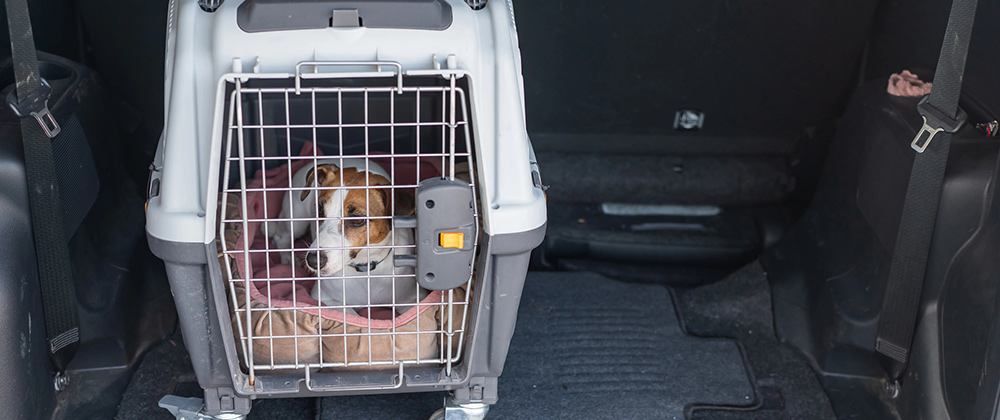
Pet injuries often occur when animals are not properly restrained in vehicles. An unrestrained pet can jump out of an open car door, be thrown during sudden braking, or get tangled in luggage or seatbelts. Crates and pet seatbelts greatly reduce the risk of injury.
If flying, be aware of airline regulations. Cargo travel can be stressful and risky for certain breeds, particularly flat-faced dogs and cats. Always consult with your veterinarian before booking holiday flights.
Exposure to Cold Weather and Outdoor Risks
Although South Florida enjoys mild winters, travel to colder climates poses risks. Pets unused to cold weather can suffer from frostbite, hypothermia, dry skin, and respiratory issues. Holiday decorations, candles, and outdoor hazards (like icy steps or frozen ponds) also increase the chance of injuries.
Make sure your pet has appropriate protection, monitor them closely outside, and never leave pets outdoors unattended in unfamiliar environments.
Boarding, Pet Sitters, and Separation Risks
If your pet isn’t traveling with you, booking a boarding facility or pet sitter is a common alternative. However, holiday boarding increases exposure to contagious illnesses such as kennel cough, canine influenza, and gastrointestinal viruses. Ensure your pet is fully vaccinated prior to boarding and choose reputable facilities with proper sanitation protocols.
Pets staying with sitters may also experience separation anxiety or escape behavior, especially during holiday fireworks or parties. Provide clear instructions, familiar bedding, and up-to-date ID tags.
When to Seek Emergency Veterinary Care
Even with preparation, accidents and emergencies can still happen. Seek immediate help if your pet shows:
- Difficulty breathing
- Continuous vomiting or diarrhea
- Signs of heatstroke
- Ingestion of toxins
- Seizures or collapse
- Sudden severe pain
- Fatigue, disorientation, or abnormal behavior
A quick online search for a “Boca Raton emergency vet” or “emergency vet near me” can help you locate urgent care when traveling, but having a pre-planned emergency contact is always best.
AEUCC Is Here for You This Holiday Season
The Animal Emergency and Urgent Care Center (AEUCC) is dedicated to providing life-saving care when pets need it most. Located in Deerfield Beach and serving Boca Raton, Coral Springs, Margate, Parkland, Fort Lauderdale, Pompano, and all surrounding communities, our experienced emergency team is available to handle urgent medical situations throughout the holiday season.
If your pet experiences an emergency during holiday travel, or at any time, please contact the Animal Emergency and Urgent Care Center (AEUCC) immediately. We are here to help keep South Florida’s pets safe, healthy, and protected, no matter where the holidays take you. Call (954) 428-9888.