Finding blood in dog stool is alarming, but it does not always mean an emergency. A small streak of red after a bout of diarrhea can come from simple irritation. However, large amounts of blood, black and tarry stool, or a dog that seems weak can signal a serious illness that needs care right away.
This guide explains what the color of the blood tells you, the most common causes, and when to go straight to an emergency vet. The Animal Emergency and Urgent Care Center (AEUCC) in Deerfield Beach is open 24 hours a day, 365 days a year, if your dog needs help now.
Is Blood in Dog Stool an Emergency?
Sometimes it is, and sometimes it can wait for your regular veterinarian. As a rule, the amount of blood, the color, and how your dog acts all matter more than any single streak.
A dog that passes one stool with a little red blood, then eats, drinks and plays normally, may only have mild colon irritation. Even so, call a veterinarian the same day for advice. On the other hand, blood in dog stool needs emergency care right away when it comes with any of these signs:
- More than a few streaks of blood, or stool that looks like red jelly.
- Black, tarry, sticky stool.
- Vomiting, especially vomiting blood.
- Weakness, collapse or unusual tiredness.
- Pale, white or gray gums.
- A swollen or painful belly.
- A puppy or an unvaccinated dog, because of the risk of parvovirus.
- Possible contact with rat poison, medicine or another toxin.
Small dogs, puppies and seniors lose fluid quickly, so they can get worse within hours. When in doubt, treat bloody stool as an emergency.
Bright Red Blood vs. Black, Tarry Dog Stool
The color of the blood offers a clue about where the bleeding starts:
- Bright red blood or mucus. Fresh red blood, called hematochezia, usually comes from the lower intestine, the colon or the rectum. It may appear as streaks on the outside of the stool or as jelly-like mucus.
- Black, tarry stool. Dark, sticky stool, called melena, contains digested blood from the stomach or upper intestine. It often points to a more serious problem, such as a bleeding ulcer.
Some things darken stool without any bleeding. For example, Pepto-Bismol and iron supplements can turn stool black. Still, any black stool deserves a call to your veterinarian, especially if your dog seems unwell.
What Causes Blood in Dog Stool?
Many problems can cause blood in dog stool, from a mild upset stomach to a life-threatening illness. The most common causes include the following.
Diet Changes and Garbage
A sudden change in food, rich table scraps or a raid on the trash can irritate the colon. This kind of colitis often causes frequent, small, soft stools with mucus and a little fresh blood. Stress, such as boarding, travel or a new pet at home, can trigger the same problem.
Intestinal Parasites
Hookworms, whipworms, coccidia and Giardia can all inflame the intestines and cause bloody diarrhea. A fecal test finds most of them, and the right medicine usually clears them quickly.
Parvovirus
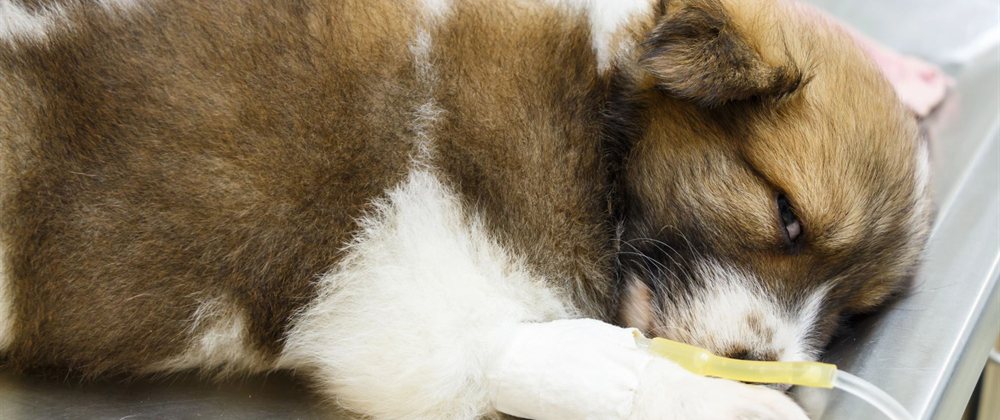
Parvovirus is a serious viral infection, mostly in puppies and dogs that have not finished their vaccines. It causes severe bloody diarrhea, vomiting, fever and weakness. Parvo needs emergency hospital care, because puppies dehydrate and weaken fast.
Acute Hemorrhagic Diarrhea Syndrome
Acute hemorrhagic diarrhea syndrome (AHDS), once called hemorrhagic gastroenteritis, causes a sudden flood of bloody diarrhea that can look like raspberry jam. It happens most often in small and toy breeds, and it can cause dangerous dehydration within hours.
Toxins and Medicines
Many rat and mouse poisons stop the blood from clotting, so a dog may bleed into the gut several days after eating the bait. In addition, human pain relievers such as ibuprofen and naproxen can cause stomach ulcers, which often show up as black stool. Sago palms, common in South Florida yards, also cause bloody vomit and diarrhea.
Swallowed Objects and Bones
Bone splinters, sticks and sharp objects can scrape the lining of the intestines. A swallowed object can also cause a blockage. Our article on what to do if your pet swallows a foreign object explains the warning signs.
Other Causes
Inflammatory bowel disease, anal gland problems, rectal polyps, tumors and clotting disorders can also cause blood in the stool. These problems are less common, yet they still need a veterinary exam to find.
What to Do If You Find Blood in Dog Stool
Stay calm, and then follow these steps:
- Check the gums. Healthy gums are pink. Pale, white or gray gums mean your dog needs emergency care now.
- Take a photo. A clear picture of the stool, or a fresh sample in a sealed bag, helps the veterinarian.
- Note the details. Write down when it started, how many times it happened, and any vomiting, diet change or possible toxin.
- Skip human medicine. Do not give Pepto-Bismol or anti-diarrhea pills unless a veterinarian tells you to.
- Call ahead. A quick call to (954) 428-9888 lets our team prepare for your arrival.
If you think your dog ate rat poison or another toxin, you can also call the ASPCA Animal Poison Control Center at (888) 426-4435 (a fee may apply). However, do not let the call delay the trip if your dog is weak or bleeding.
How Do Vets Diagnose Blood in Dog Stool?
First, the veterinarian asks about your dog’s diet, vaccines, medicines and possible toxins, and then performs a full exam. Next, tests help find the cause:
- A fecal test for parasites, and a parvovirus test for puppies and young dogs.
- Blood tests and clotting tests from our in-house lab, which show blood loss, dehydration and organ function.
- X-rays and ultrasound from our diagnostic imaging service to look for objects, masses or thickened intestines.
In some cases, a veterinarian may later recommend a camera exam of the stomach or colon to look for ulcers or growths.
How Do Vets Treat Bloody Stool in Dogs?
Treatment depends on the cause and on how sick your dog is. Common treatments include:
- IV fluids. Fluids correct dehydration, which is the main danger with parvovirus and AHDS.
- Medicines. Anti-nausea drugs, stomach protectants, dewormers and, when needed, antibiotics.
- Diet. A bland or prescription diet, sometimes with added fiber, helps the colon heal.
- Antidotes. Dogs that ate certain rat poisons need vitamin K1, and some need a plasma or blood transfusion.
- Surgery. A blockage or a perforated intestine may need surgery.
Very sick dogs stay in our hospital or intensive care unit, where the team monitors fluids, blood counts and comfort around the clock.
Blood in Dog Stool and Vomit at the Same Time
A dog with both bloody vomit and bloody stool can lose fluid and blood very quickly. Parvovirus, AHDS, ulcers and rat poison can all cause both at once, so treat this combination as an emergency. Our article on a dog throwing up blood explains what bloody vomit means and what to do on the way to the hospital.
Emergency Care at AEUCC in Deerfield Beach
The Animal Emergency and Urgent Care Center (AEUCC) is an emergency and critical care hospital at 103 N. Powerline Rd., Deerfield Beach, FL 33442. We hold accreditation from the American Animal Hospital Association (AAHA), and our in-house lab, imaging and ICU let us find the cause of bloody stool and start treatment quickly.
Although our hospital is in Deerfield Beach, we also serve pet owners in nearby cities, including Boca Raton, Coral Springs, Deerfield Beach, Margate, Parkland, Fort Lauderdale and Pompano Beach.
If you find blood in your dog’s stool, or your pet needs any of our emergency services, contact the Animal Emergency and Urgent Care Center (AEUCC) right away. Call us at (954) 428-9888, any time of the day or night.